
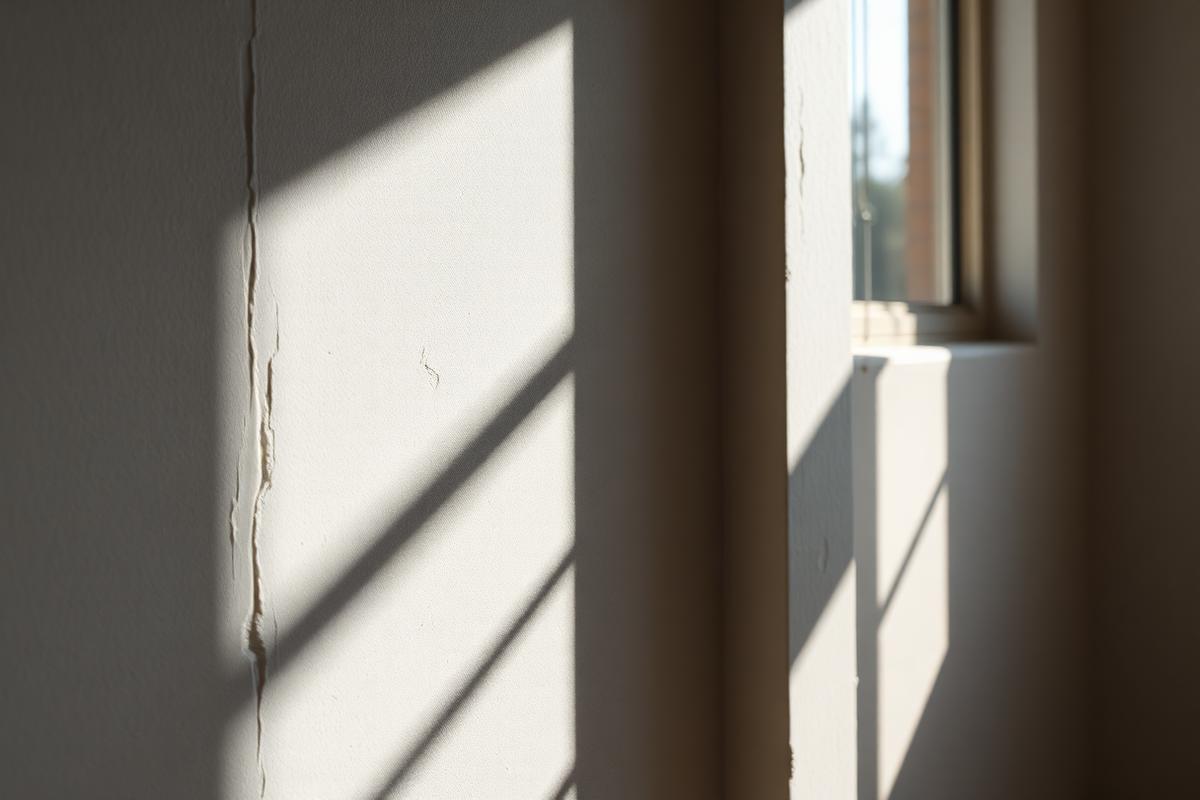
Lighting is usually the first culprit
Light that runs nearly parallel to a wall, from a tall window, an under-cabinet strip, or a can light close to the ceiling, exaggerates anything that isn't perfectly flat. Painters call it raking or critical light.
The same wall that looks flawless at noon can show every joint at four in the afternoon. That's not necessarily bad finishing; it's a surface finished to a standard the lighting is testing beyond.
Joint compound and board absorb differently
Compound is more porous than the paper face of the board. Paint soaks into the compound band and sits on the paper, so the same coat comes out slightly duller over the seam. The technical name for it is joint photographing.
This is the cause behind most 'the seams showed up after we painted' calls, and it has nothing to do with the joint being lumpy.
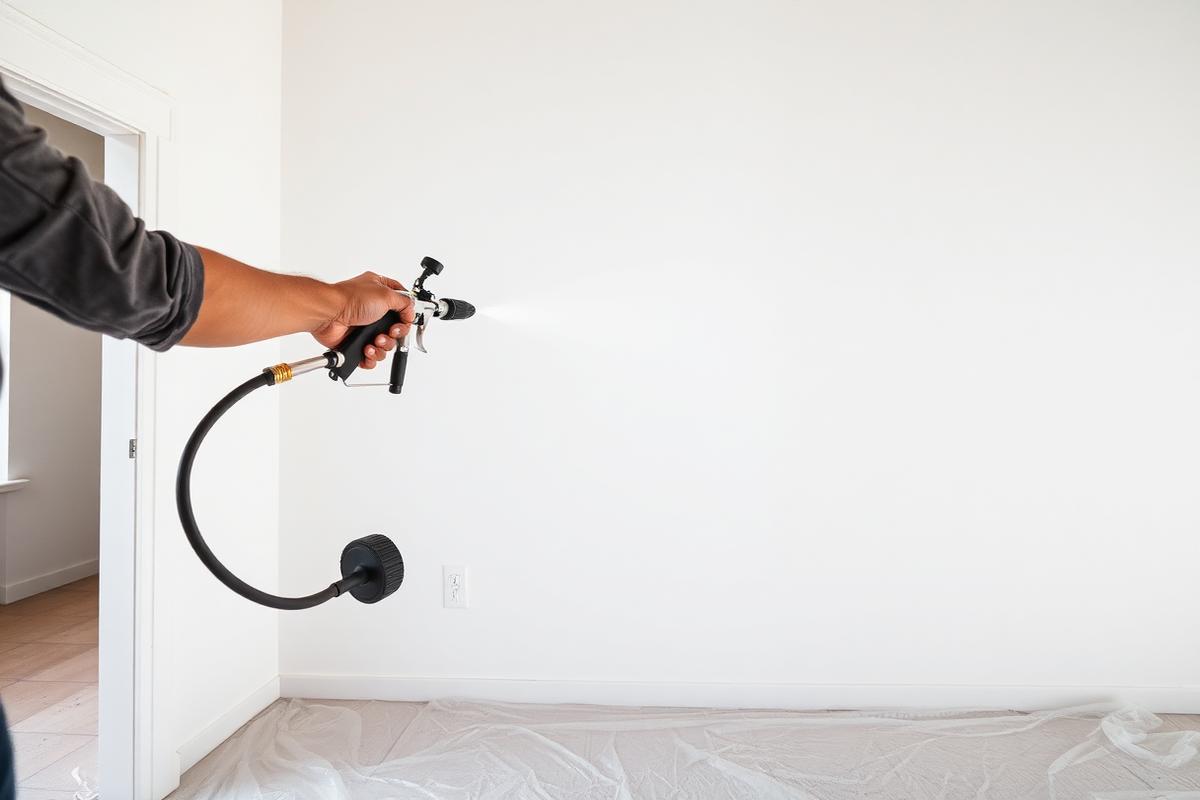
Primer is the fix nobody skips twice
A dedicated drywall primer, sometimes called a PVA primer, evens out how the whole surface absorbs. Rolling color straight onto bare finished drywall almost guarantees visible bands.
On walls with hard light, a skim coat over the entire surface, a Level 5 finish, removes the difference altogether because the whole wall is then the same material.
Paint sheen makes it better or worse
Flat and matte paints scatter light and hide small variation. Eggshell shows more, satin more again, and semi-gloss shows everything. If you want satin on a long hallway wall, budget for the finish level that can carry it.
How it gets repaired
If the joints are flat and it's purely photographing, priming the wall properly and repainting solves it. If the bands are raised or the joints are wide and crowned, they get re-coated wide and re-sanded first.
For walls where the lighting is never going to be forgiving, a full skim coat is the permanent answer rather than repainting and hoping.
Related services